
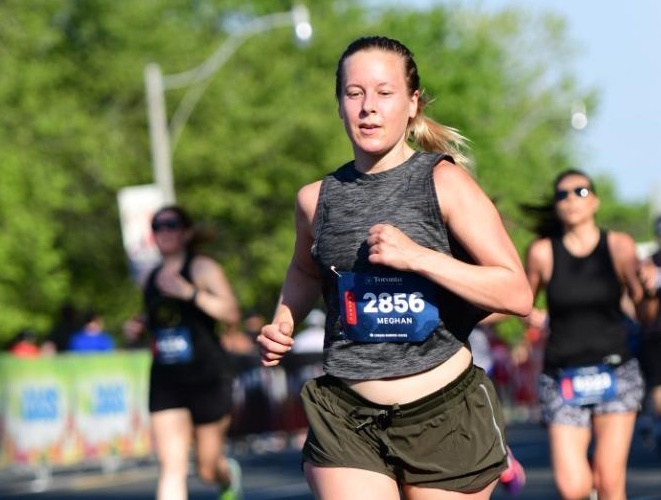
Are you crazy? Is what I asked myself every day leading up to my first-ever triathlon (or race for that matter) in 2016.
Triathlon’s had never been on my radar. After I taught myself to run at the top of 2016, my goal was to complete a half-marathon. But once I took my runs past my comfortable 7-10 km, I didn’t really enjoy myself. Given running was always my weakest link between riding and swimming, I thought why not try a triathlon?
If you’re looking to try a tri this summer, don’t be intimidated. They can seem like they’re reserved for those pro athletes or hardcore cyclists or runners — but they’re not. Many do them for fun, and not everyone is in the typical tri-suit with an aerodynamic bike that costs triple my rent. Read: you don’t have to make it to the podium to enjoy the challenge.
If you’re looking to challenge yourself this summer and do something outside of your comfort zone, here are some tips:
Set a realistic goal.
Oh you don’t have the time to put in a bunch of kilometres in your running shoes or saddled on your bike? Then don’t do an Olympic distance. It won’t be worth the stress if you can’t dedicate the time needed to have a fun and safe race. Opt for a shorter distance or relay. Triathlon Festival Toronto has a sprint distance or sprint distance relay, both offering more attainable distances for a beginner.
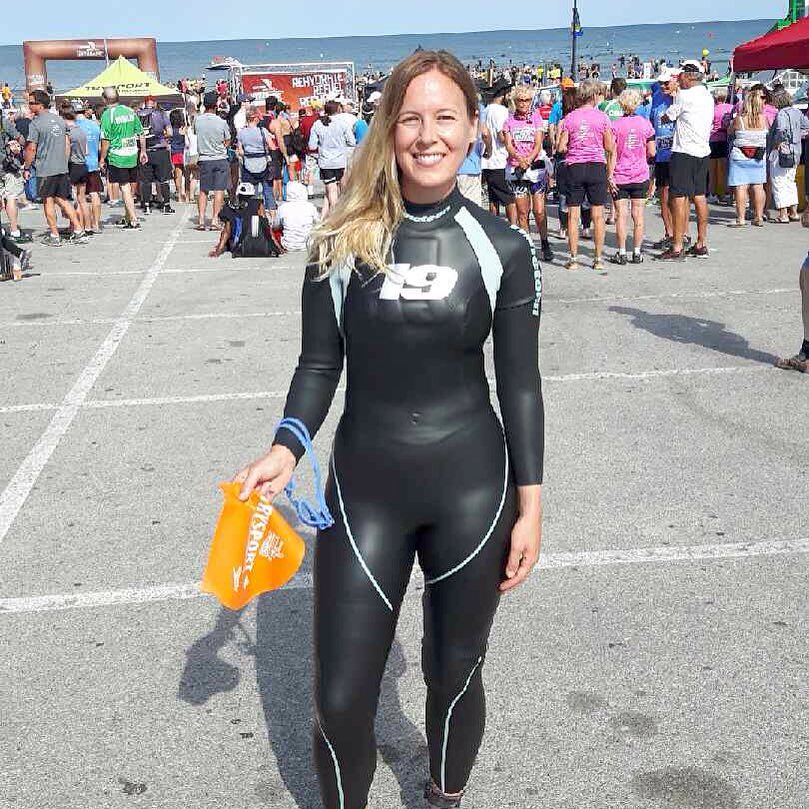
Join a training group.
Training with a group holds you accountable, and makes training way more fun. Even if a triathlon specific training group (like the Toronto Triathlon Club) doesn’t fit your schedule, there are an incredible amount of running, cycling, and swimming groups in the city to choose from (and many are free!).
Rent (or borrow) a bike for race day.
One of the reasons I almost didn’t go for the triathlon last summer was because I didn’t have a road bike. I had my single-speed track bike for commuting in Toronto, and didn’t have a new bike in my budget. I was lucky enough to borrow a bike from a friend, but renting is also a possibility. If you’re not overly comfortable with road bikes, I recommend trying out the bike at least once before the race. You’ll also need to get your legs prepped for race day, so find a bike you can train on, or take advantage of spin classes at your gym.
Practise your transition.
So I’m giving advice I received yet never did myself before my first tri. Funny how that works. The thing is: transitions aren’t that bad so long as you’re organized. They can seem a bit daunting, so there is value in laying out your gear and practising before race day. Watch some videos on transitions, and practise going from swim to cycle to run — you’ll thank yourself come race day when you don’t have that unknown to stress about. (These experts can also teach you a thing or two.)
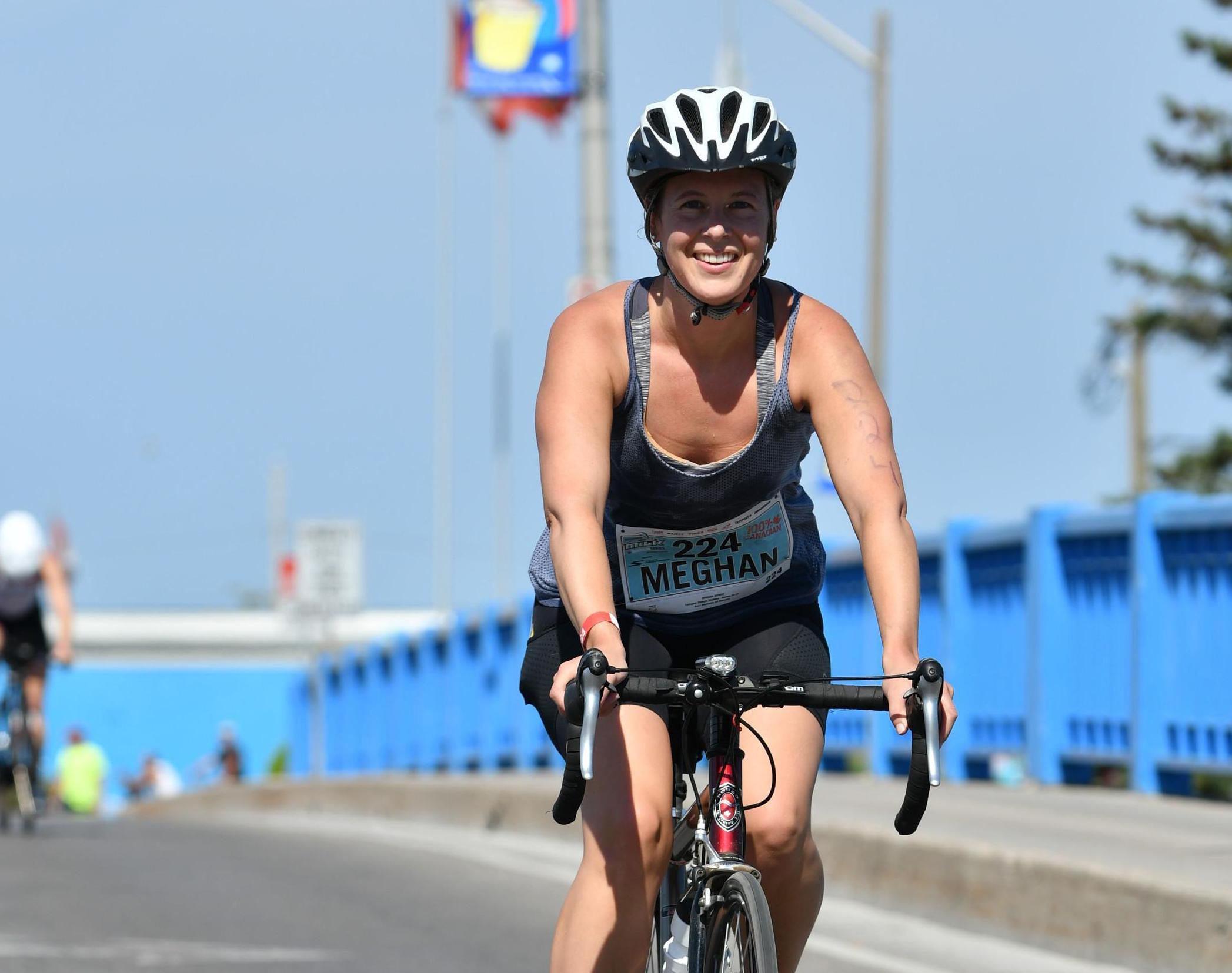
Have fun.
If you’re not having fun training, then why bother? Unless you’re looking to qualify for the Olympics or to set a world record (#Breaking2 whaddup), there’s no need to kill yourself training. Perhaps you signed up for an Olympic distance thinking you had more time to train, but a month out you’re getting stressed out about the distances. You can always switch your distance before race day, and it’s more important to listen to your body and understand your abilities than be discouraged mid race.
If you have any questions about training for your first triathlon, or what the experience is like, let me know. I’m happy to help.
Keep an eye on my Strava for new ride, swim, and run training activities! What are you training for?
 meghan jeffery